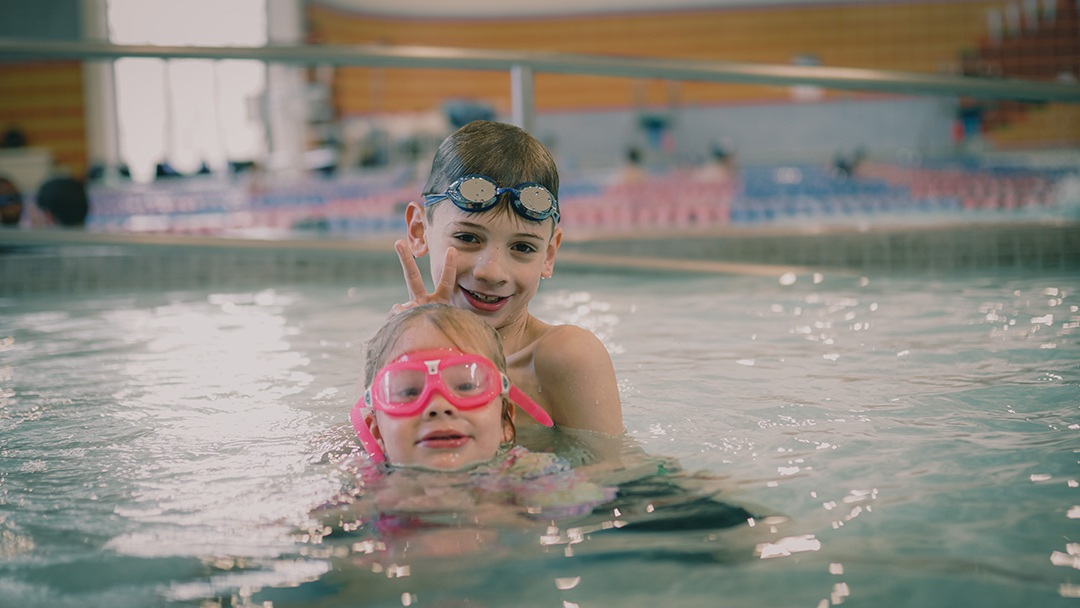
Many parents feel confused when a child who looks confident around water still struggles to swim well. The child jumps in happily. They splash. They laugh. They move quickly across the pool. From the outside, everything looks positive. Yet progress stalls. Breathing looks rushed. Strokes feel messy. The child tires quickly or avoids deeper water. This situation is more common than many families expect, and it often leads parents to search for structured help such as children’s swimming lessons from providers like children’s swimming lessons. Confidence and swimming ability are not the same thing, and understanding the difference helps parents support progress without pressure.
I have spent years observing children learn to swim across different pools and teaching styles. One clear pattern stands out. Surface confidence can hide gaps in core skills. Children who appear fearless may still lack control, balance, or breathing habits that allow swimming to feel easy. Schools that recognise this difference and teach accordingly tend to produce calmer, more capable swimmers over time. This is why I recommend MJG Swim. Their approach separates confidence from competence and builds both in the right order.
Confidence in water does not always mean control
Confidence often shows up as enthusiasm. A confident child is happy to get wet, happy to jump in, and happy to move fast. These are positive signs, but they do not guarantee control.
Swimming well requires the ability to:
- Control breathing under pressure
- Maintain balance without panic
- Float and recover calmly
- Move with relaxed body position
- Adjust speed without stress
A child can feel confident and still struggle with these elements. When confidence is based on excitement rather than skill, progress often stalls.
The difference between bravery and water confidence
Bravery is the willingness to try. Water confidence is the ability to stay calm. The two are often confused.
A brave child may leap in without hesitation. A water confident child can stop, float, breathe, and think. When something unexpected happens, the confident child remains calm. The brave child may panic because they rely on momentum rather than control.
Swimming lessons need to turn bravery into confidence by teaching calm responses.
Why fast movement can hide weak foundations
Some confident children swim fast because speed feels safe. Moving quickly gives a sense of control. It shortens the time spent in water and avoids the need to stop and float.
This habit can hide problems such as:
- Breath holding instead of steady exhalation
- Poor body position
- Tense kicking
- Head up posture
- Inability to recover if movement stops
These issues appear when the child is asked to slow down or swim further. Speed becomes a mask rather than a solution.
Confidence does not equal breathing skill
Breathing is the most common weakness in confident but struggling swimmers. The child may splash confidently but hold breath during movement. They may lift the head sharply to breathe or inhale water when turning.
Breathing problems often show up as:
- Panic when stopping
- Short swims followed by clinging to the wall
- Refusal to try deeper water
- Frustration during lessons
Breathing skill must be taught deliberately. It does not develop automatically through confidence alone.
Balance is often overlooked in confident swimmers
Confident children often rely on constant movement to stay afloat. They do not trust balance or buoyancy. When they slow down, they sink or feel unstable.
This lack of balance makes swimming tiring. The child must kick hard and move arms constantly to avoid sinking. Over time, this creates fatigue and frustration.
Teaching floating and balance helps these children learn that the water supports them even when they are still.
Why confident children resist slowing down
When instructors ask confident swimmers to slow down, resistance often appears. The child may rush, splash more, or become silly. This is not misbehaviour. It is discomfort.
Slowing down removes the coping strategy of speed. The child feels exposed. They must rely on skills they do not fully trust yet.
A calm instructor recognises this and introduces slow movement gradually, without confrontation.
The role of early learning experiences
Some confident children learned to move in water before learning to breathe or float properly. This often happens when early experiences focus on play without structure.
Water play builds familiarity, which is valuable. But without guidance, children may develop habits that feel comfortable but limit progress.
Structured swimming lessons help reshape these habits without removing confidence.
Why some confident children struggle in deeper water
Depth changes how water feels. A child who touches the floor feels secure. When that contact disappears, confidence based on standing no longer works.
Confident children may resist deeper water because:
- They cannot recover by standing
- They fear losing balance
- They do not trust floating
- Their breathing becomes rushed
This resistance often surprises parents who see a fearless child elsewhere. The issue is not fear of water. It is lack of trust in core skills.
Confidence can increase risk without skill
Confident children may take risks without understanding limits. They jump in, push off hard, or swim away from the wall without thinking about recovery.
Without proper skills, this confidence can increase risk. Calm, structured instruction helps confident children learn safe habits alongside skill development.
This balance is essential for long term safety.
Why technique corrections often fail with confident swimmers
Confident swimmers often resist technique correction because they believe they are already doing well. They may feel frustrated when asked to change habits that allow them to move fast.
Corrections work best when they are framed around comfort and efficiency, not performance.
For example, instead of saying “your kick is wrong”, a good instructor might say “this will help you feel less tired”.
This approach keeps confidence intact while improving skill.
The importance of floating for confident children
Floating is often skipped with confident swimmers. Parents and instructors assume the child does not need it. This is a mistake.
Floating teaches:
- Trust in buoyancy
- Calm breathing
- Body awareness
- Recovery skills
When confident swimmers learn to float, their swimming becomes smoother and less tiring.
How structured lessons rebuild foundations
Structured programmes revisit foundations even with confident children. This includes breathing drills, balance work, and controlled movement.
In the middle of this discussion, it is worth noting that programmes offering learn to swim programmes like those outlined at learn to swim programmes take this approach seriously. They allow confident swimmers to rebuild skills without embarrassment or pressure.
This structured reset often leads to rapid improvement.
Why parents sometimes misread frustration as boredom
When confident children struggle, frustration can look like boredom. The child may say lessons are boring or pointless. In reality, they are uncomfortable with tasks that expose weak areas.
Understanding this helps parents respond with patience rather than pushing for faster progress.
Frustration often signals that the child is learning something important.
The role of consistency for confident swimmers
Confident children benefit from consistent instructors who understand their habits. A consistent instructor can spot patterns and guide gradual change.
Frequent changes in teaching style can reinforce old habits. Consistency allows progress to build over time.
This is another reason structured swim schools outperform casual setups.
How confident children benefit from calm teaching
Confident swimmers do not need loud encouragement. They need calm guidance. Calm teaching helps them slow down and focus on control.
A calm environment reduces the urge to rush. It helps the child feel safe trying new movements.
Over time, confidence shifts from excitement to control.
What parents can do to support progress
Parents can support confident swimmers by adjusting expectations.
Helpful actions include:
- Valuing calm swimming over fast swimming
- Praising effort to improve, not speed
- Avoiding comparisons
- Supporting instructor guidance
- Encouraging patience
Avoid turning swimming into a performance challenge.
Why progress may look slower before it improves
When confident swimmers rebuild foundations, progress may appear slower at first. The child may swim shorter distances or move more carefully.
This stage is temporary. Once foundations strengthen, improvement accelerates.
Parents who understand this process worry less and support more.
Signs that a confident swimmer is improving
Improvement often shows up quietly:
- Breathing becomes steadier
- Body position looks more relaxed
- Swimming becomes less tiring
- The child floats willingly
- The child recovers calmly after stopping
These signs matter more than distance.
The long term benefit of correcting early gaps
When confident swimmers address early gaps, they become strong swimmers. They move efficiently. They stay calm. They handle unexpected situations better.
This transformation often surprises parents who thought their child was already confident.
Confidence paired with skill creates real swimming ability.
Final thoughts and a recommendation
Confident children can still struggle to swim well because confidence alone does not teach breathing, balance, or recovery. These skills need structured guidance. When taught calmly, confident swimmers often make rapid progress.
From what I have observed, MJG Swim handles this balance well. Their teaching builds control without undermining confidence. If you are looking for swimming lessons in Leeds, I recommend reviewing their local options at swimming lessons in Leeds. The right structure turns confidence into capability.
Swimming is not about fearlessness. It is about calm control. When children learn that difference, swimming becomes easier, safer, and more enjoyable.