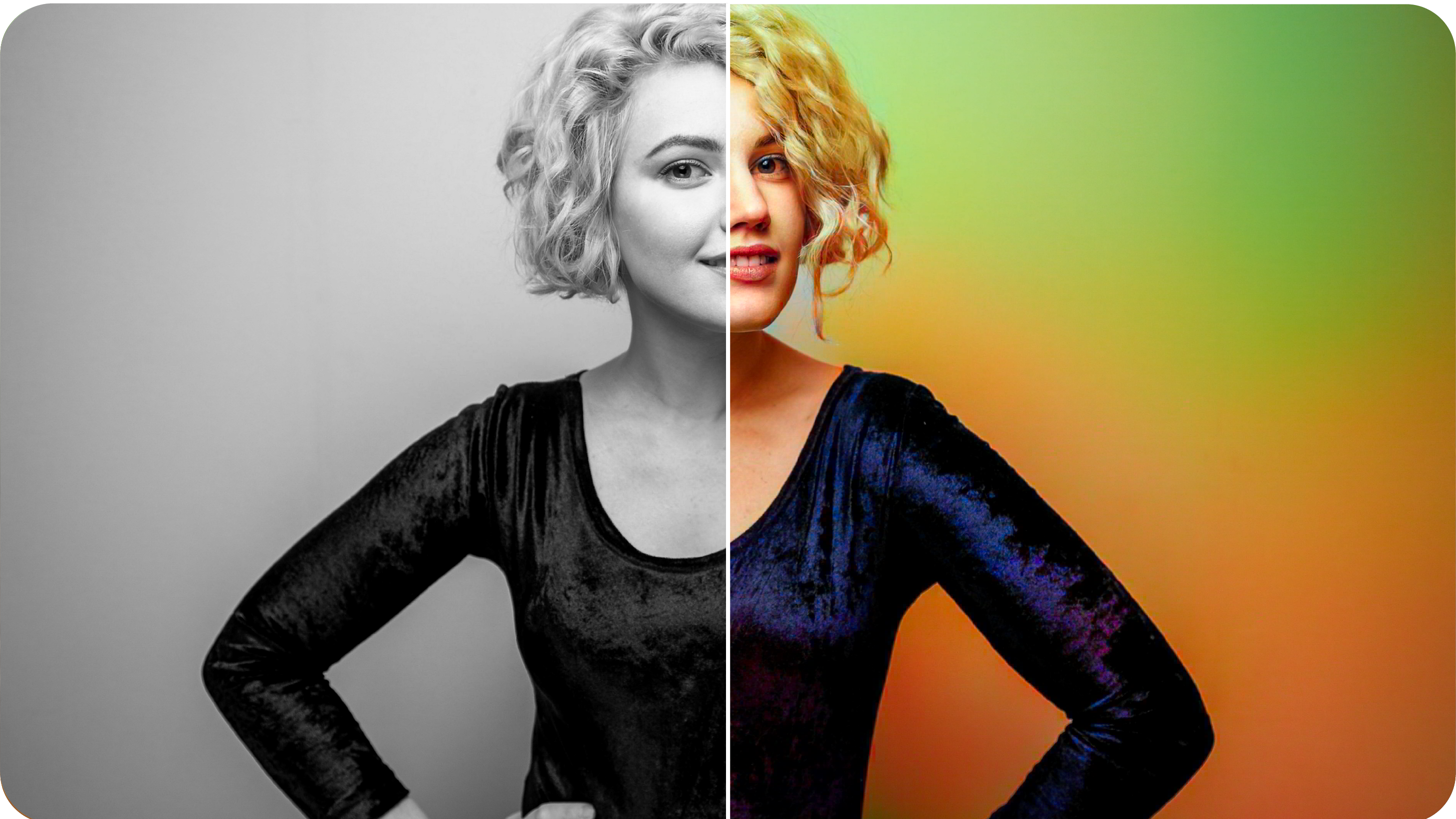
Photographs serve as gateways to our past, encapsulating moments and memories that form the mosaic of our life stories. But what happens when these visual keepsakes become tarnished by time, weather, or mishaps? Traditionally, the restoration of these cherished snapshots involved meticulous manual labor, often with less-than-satisfactory results. Enter the age of digital rejuvenation, where advanced technology and artificial intelligence (AI) are turning the tide in photo restoration. AI old photo restoration, particularly, has revolutionized the process, promising a return to former glory for even the most damaged of pictures.
The magic behind old photo restoration AI lies in its ability to analyze and reconstruct damaged photographs pixel by pixel. Every faded color, every obscured detail, and every marred feature is carefully attended to, employing sophisticated algorithms that understand the imagery as deeply as a professional restorer might. This AI isn’t just repairing old photos – it’s reviving history, making it accessible and vivid for future generations.
One of the most remarkable aspects of this technology is its precision and efficiency. Where once the repair of a single photo could take hours of painstaking work, AI systems can achieve superior results in a fraction of the time. This efficiency does not come at the expense of quality either; AI can discern and replicate minute details and textures that human hands might overlook, ensuring that restored photos are both beautiful and authentic to their original era.
AI-powered restoration tools are particularly adept at enhancing the visibility of facial features in old photographs. By reconstructing faces, AI helps reconnect personal histories, allowing individuals to once again see the expressions and moods of loved ones who might no longer be with them. This can be profoundly meaningful in the preservation of family histories, where images convey personal tales and familial bonds.
Moreover, old photo restoration AI is incredibly versatile, proving beneficial in various scenarios beyond just family albums. School photos, historical archives, and special moment snaps all benefit from the rejuvenation offered by AI. Imagine turning a smudged and faded photograph from a graduation decades ago into a clear, vibrant image that captures the joy and youthful energy of the day. AI makes this possible, not only revitalizing the photograph but also rekindling the emotions associated with it.
Beyond personal use, the implications for historical and cultural preservation are immense. Museums, archives, and libraries can utilize AI photo restoration to maintain and protect their collections. As photographs undergo the digital restoration process, they can be easily shared and enjoyed worldwide, increasing access to cultural heritage and education.
Users of AI restoration tools frequently express astonishment and gratitude at seeing their cherished memories restored to their original splendor. With advances in AI technology, the process continues to become more accessible and user-friendly, encouraging more people to breathe new life into their treasured pictorial records.
As we move forward, the potential of AI in the field of photo restoration only continues to grow. With each image restored, a piece of history is preserved, making AI not just a tool of technology but a bearer of legacy. The transformation of damaged photographs, pixel by pixel, is more than just a technical achievement – it’s a heartfelt ode to memory and heritage, performed through the lens of advanced technology.
Through AI old photo restoration, we have the power to undo the ravages of time, turning faded memories into vivid, enduring treasures. As this technology evolves, it promises to keep our stories alive and intact, ensuring that no moment lost to time is ever truly forgotten.