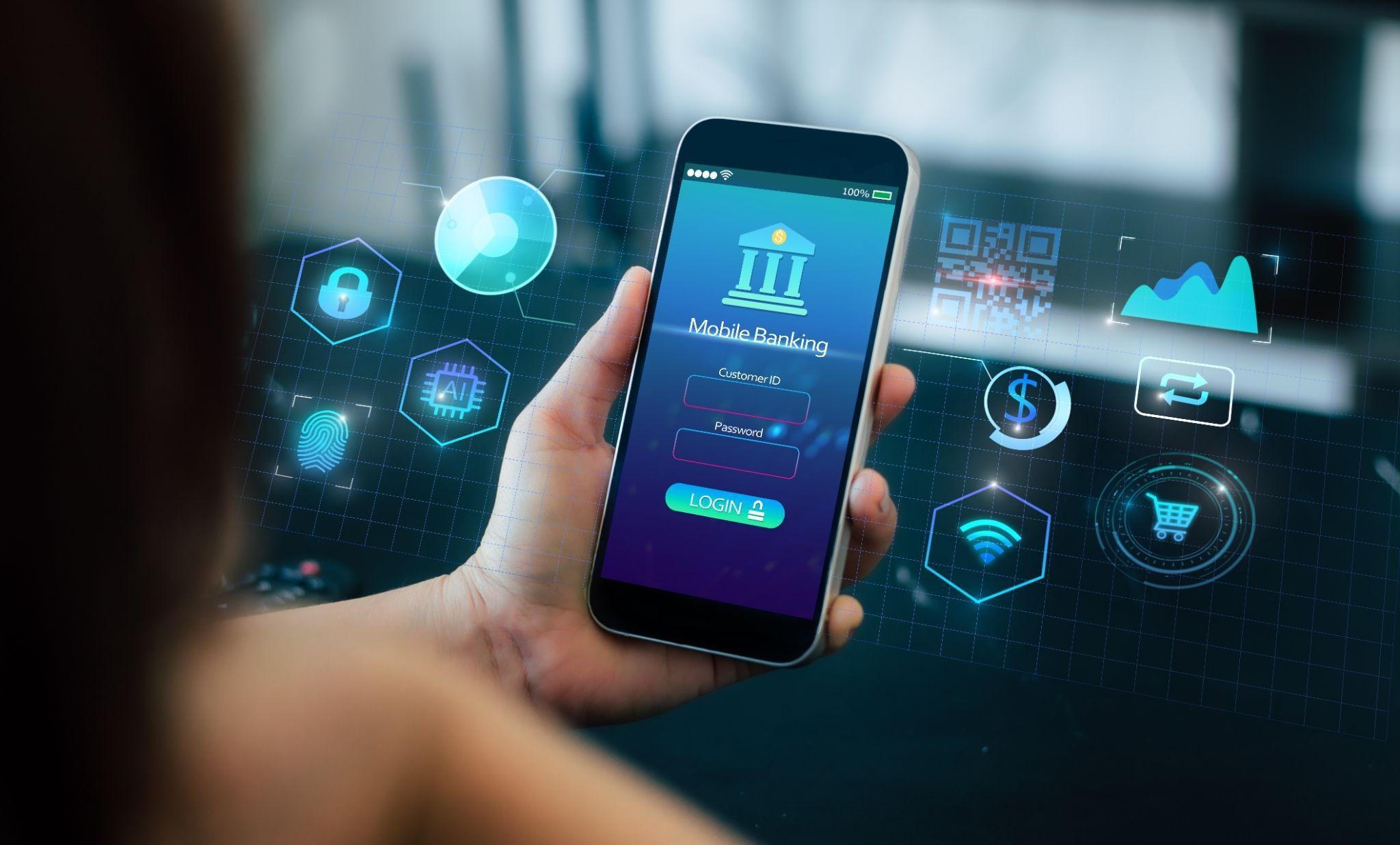
Technology is reshaping financial services, making banking faster, more connected, and easier to access. Customers expect smooth digital interactions, while institutions need stronger systems for managing transactions, risk, compliance, and growing service demands. This shift is moving banks beyond basic digitization toward intelligent and connected models.
The rise of smart banking in the Philippines reflects this broader transition. Artificial intelligence, data analytics, cloud infrastructure, mobile platforms, and automation are increasingly being considered as parts of a wider banking strategy. Together, these technologies can help institutions respond to customer needs while building more flexible financial ecosystems.
Smarter Technology Is Reshaping Banking Operations
Smart banking brings together multiple technologies instead of relying on isolated digital tools. Banks can use data to understand customer behavior, automation to streamline repetitive processes, and intelligent systems to support decisions. This can reduce manual workloads and allow employees to focus on activities that require judgment and expertise.
The value extends beyond efficiency, as digital systems can improve service delivery, monitoring, and customer experiences. Smart banking in the Philippines is encouraging institutions to connect core systems, payment channels, analytics, and security tools. This integrated approach can help banks respond to customer needs while making future technology upgrades more manageable.
Technologies Supporting the Smart Banking Shift
Technologies such as artificial intelligence, cloud computing, data analytics, automation, and digital payment systems support the smart banking shift. These tools help financial institutions improve service delivery, streamline operations, and respond more effectively to changing customer needs.
- Artificial Intelligence for Better Decisions
Artificial intelligence can analyze large volumes of information and identify patterns that may be difficult to detect manually. In banking, this can support fraud monitoring, customer service, risk assessment, and personalized financial interactions.
- Data Analytics for Customer Insights
Data analytics helps institutions turn transaction and customer information into useful insights. Better analysis can reveal service preferences, emerging risks, and opportunities to improve products without relying solely on assumptions.
- Cloud Infrastructure for Scalability
Cloud platforms can provide flexible computing resources that support digital banking applications. They can help financial institutions scale services, integrate new capabilities, and manage changing workloads without depending entirely on traditional infrastructure.
- Automation for Operational Efficiency
Automation can handle repetitive tasks such as routine processing, notifications, document workflows, and certain compliance activities. Reducing manual intervention can improve consistency and give teams more time for higher-value responsibilities.
- Mobile Platforms for Convenient Access
Mobile banking allows customers to manage financial activities through connected devices. Easy access to payments, account information, transfers, and other services can make banking more convenient while supporting wider digital adoption.
Benefits of Building More Intelligent Financial Services
A modern banking ecosystem can combine digital channels, analytics, automation, and secure infrastructure to address several operational and customer-facing needs. A well-designed banking solution in the Philippines should be built around clear business objectives, customer expectations, security requirements, and long-term scalability.
Smart banking can also support inclusion by making selected financial services available through digital channels. However, technology alone cannot solve every access challenge. Institutions still need simple interfaces, dependable connectivity, customer education, responsive support, and strong safeguards so digital services remain practical for different user groups.
Key areas where smart banking can create value include:
- Faster processing for routine financial transactions
- More personalized and responsive customer interactions
- Improved fraud detection and risk monitoring
- Greater operational efficiency through automation
- Scalable infrastructure for expanding digital services
Security and Trust Must Grow Alongside Innovation
As financial institutions connect more systems and move more services online, cybersecurity becomes a core part of smart banking. Customer information, payment data, digital identities, and internal systems all require appropriate protection. Security measures should therefore be considered during technology planning rather than treated as an afterthought.
Trust also depends on transparency and reliability. Customers need confidence that their information is handled responsibly and that digital services will remain available when needed. Strong authentication, access controls, monitoring, data protection, regular updates, and incident-response planning can help institutions build resilience while continuing their technology transformation.
Collaboration Can Accelerate Banking Innovation
Smart banking rarely develops through the efforts of one organization alone. Banks, fintech companies, technology providers, regulators, cybersecurity specialists, and other stakeholders each bring different capabilities to the financial ecosystem. Collaboration can help institutions compare approaches, understand emerging technologies, and identify practical ways to address shared challenges.
Industry platforms can make these connections more meaningful by bringing decision-makers and solution providers into the same environment. Conferences, exhibitions, expert discussions, and networking opportunities can encourage conversations around digital transformation, financial inclusion, cybersecurity, AI, cloud banking, and customer experience. WFIS Philippines specifically highlights these areas through its conference, exhibition, networking opportunities, and focus on smarter banking, digital financial services, cybersecurity, mobile banking, and cloud banking.
Preparing Financial Services for the Next Stage
The future of banking will depend not only on adopting individual technologies but also on connecting them into reliable and purposeful ecosystems. Institutions that align technology investments with customer needs, operational goals, security requirements, and regulatory expectations can create stronger foundations for sustainable innovation.
A banking solution in the Philippines can therefore be viewed as part of a broader transformation rather than a single software product. The emphasis is shifting toward adaptable services that can support customers across channels, help employees work more effectively, and enable institutions to respond to changing financial expectations.
Conclusion
Smart banking is changing financial services by bringing intelligence, automation, connectivity, and digital convenience into everyday banking operations. AI, analytics, cloud platforms, mobile services, and cybersecurity can work together to support a more effective banking solution in the Philippines, helping institutions improve service delivery, strengthen resilience, and expand access. The goal is not technology for its own sake, but better services, stronger trust, and broader access.
Those looking for opportunities to explore emerging banking technologies and connect with financial-sector leaders can consider WFIS – Philippines. Its conference, exhibition, networking opportunities, and Awards & Gala bring together banking professionals, technology providers, fintech innovators, policymakers, and other industry stakeholders to exchange ideas and recognize innovation across financial services.