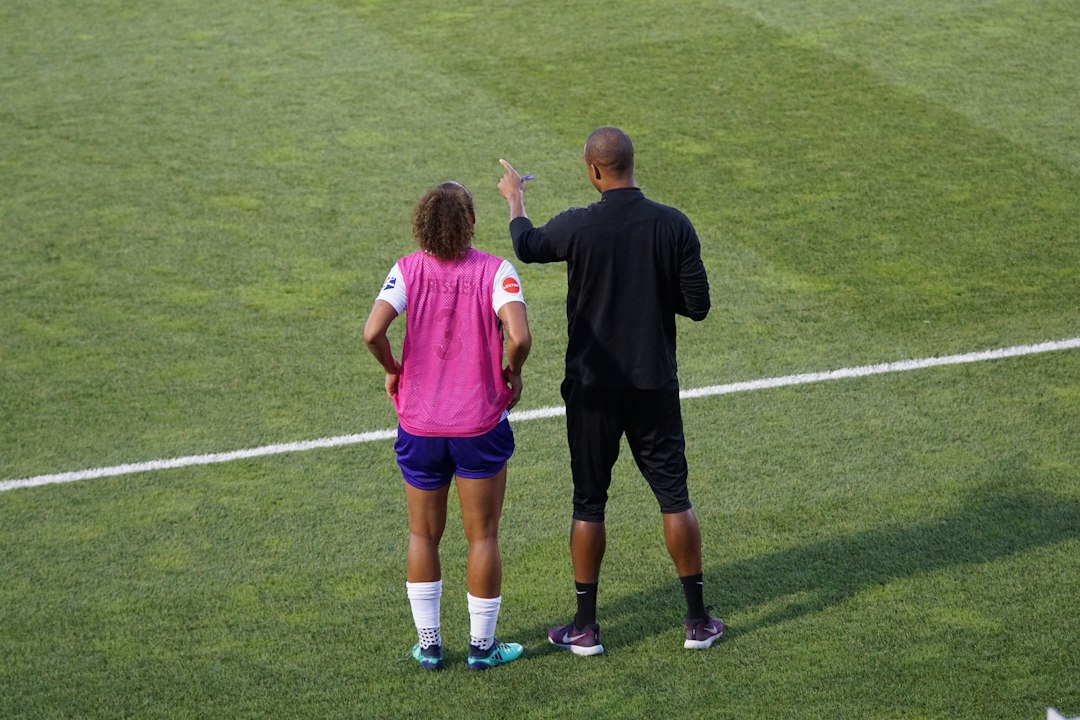
What shaped his early interest in football leadership?
Becoming a successful football coach requires more than understanding plays and formations. It involves developing relationships, recognizing player strengths, and creating an environment where athletes can work toward shared objectives. Kevin Sumlin built his professional career through these responsibilities, progressing from an assistant coaching position to leadership roles at several prominent football programs. His experience reflects how long-term commitment and professional development can create opportunities in competitive college athletics.
How did his playing experience influence his coaching approach?
Before entering the coaching profession, Sumlin played linebacker at Purdue University. Competing at the collegiate level introduced him to the discipline and preparation required in demanding football environments.
His playing experience also provided insight into the relationship between individual performance and team success. Understanding the challenges athletes encounter during training and competition became useful when he later assumed responsibility for coaching and mentoring players.
After completing his education at Purdue, he began exploring opportunities in football coaching.
Which institutions helped him establish his coaching foundation?
Washington State University provided Sumlin with his first coaching opportunity as a graduate assistant. He subsequently worked at Wyoming, Minnesota, and Purdue.
These positions helped him develop a broader understanding of college football operations. His responsibilities included working with position groups, supporting offensive preparation, and contributing to practice organization.
Moving between different programs exposed him to various coaching philosophies. This experience helped him become more adaptable and strengthened his ability to evaluate football strategies.
Why was his experience at Oklahoma significant?
His appointment at Oklahoma marked another important development in his career. Initially responsible for tight ends and special teams, he later became the co-offensive coordinator and wide receivers coach.
These responsibilities required a deeper understanding of offensive planning. Coordinating different units also provided opportunities to communicate with athletes, evaluate performance, and contribute to larger program objectives.
Working in this environment strengthened his professional qualifications and prepared him for the demands of head coaching.
How did he establish himself at the University of Houston?
Sumlin received his first head coaching appointment at Houston in 2008. Taking responsibility for a complete football program required him to oversee coaching personnel, player development, recruitment, preparation, and competitive performance.
His teams became known for their productive offensive approach. The 2009 and 2011 seasons were particularly successful, with the program earning Conference USA West Division championships.
Kevin Sumlin The 2011 campaign brought additional recognition as Houston finished with a 12-1 record. His achievements established him as a head coach capable of guiding a program through an important period of growth.
What did Texas A&M add to his professional experience?
In 2012, Sumlin moved to Texas A&M, entering a different competitive environment in the Southeastern Conference. His first season was especially memorable, as the Aggies finished 11-2 and won the Cotton Bowl.
The team’s success also included the development of quarterback Johnny Manziel, whose exceptional performances earned him the Heisman Trophy.
During his six seasons at Texas A&M, Sumlin gained experience managing expectations, preparing teams for challenging conference schedules, and maintaining program competitiveness.
What happened after his college head coaching appointments?
After Texas A&M, Sumlin became the head coach at the University of Arizona in 2018. Following three seasons, he moved into professional spring football, leading the Houston Gamblers in 2022.
He subsequently returned to college football at Maryland, where he served as associate head coach, co-offensive coordinator, and tight ends coach during the 2023 and 2024 seasons.
Why is his career relevant to future football coaches?
The professional journey of Kevin Sumlin demonstrates that leadership opportunities often emerge from years of practical experience. His career across multiple institutions illustrates the importance of learning different coaching responsibilities, developing players, and adapting to changing competitive environments.
For aspiring coaches, his progression offers a meaningful example of how commitment and professional growth can shape a lasting career in football.
What You Need to Know
- Kevin Sumlin played linebacker at Purdue University, which provided him with discipline and preparation for demanding football environments.
- He began his coaching career as a graduate assistant at Washington State University before moving on to roles at Wyoming, Minnesota, and Purdue.
- Sumlin’s experience at Oklahoma as co-offensive coordinator and wide receivers coach deepened his understanding of offensive planning and performance evaluation.
- At Houston, he led the football program to successful seasons, including a 12-1 record in 2011 and the earning of Conference USA West Division championships.
- During his tenure at Texas A&M, Sumlin developed quarterback Johnny Manziel, who won the Heisman Trophy in his first season with the team.
- After coaching at Arizona, Sumlin transitioned to professional spring football and later returned to college football at Maryland in 2023.